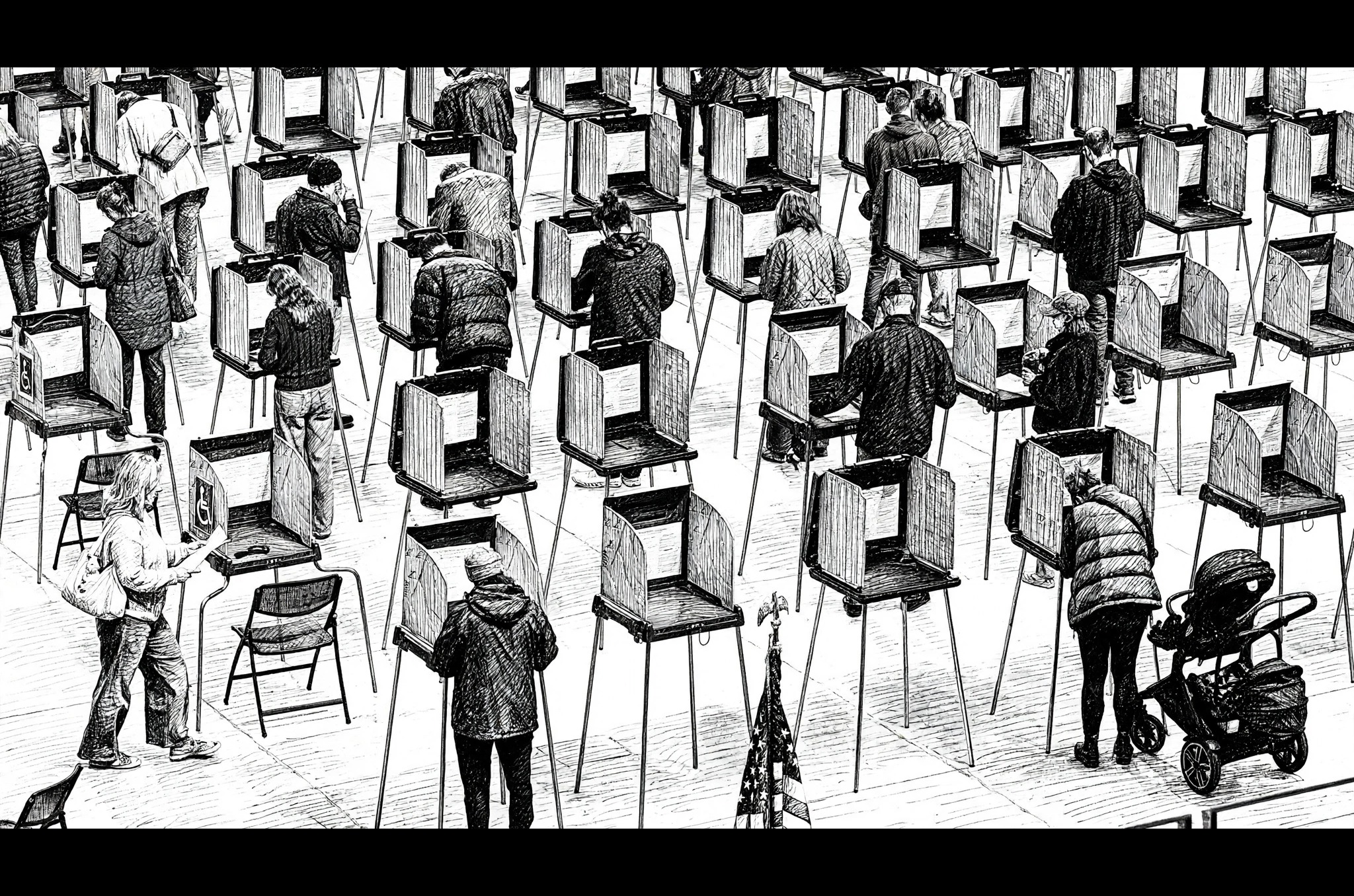
On 3 November 2026, tens of millions of Americans voted in an election that many feared would be disrupted. Before the vote, a Yahoo/YouGov poll found that only 23 percent of Americans were confident the midterms would not be rigged. By the end of the night, the Associated Press reported that Democrats had won control of the Senate, ending a 53-47 Republican majority, and major news organizations projected that they had also won the House. Democrats flipped Senate seats in states including Texas, North Carolina, Ohio, Iowa and Kansas. Those are the results. What follows is about how they were reached.
What the record shows
A review of the public record points to three signs of a healthy election. The first is access. Voting took place across the country without widespread disruption, and the problems reported, such as delayed openings, long lines and equipment faults, were the kind that election officials handle every cycle. The second is integrity. Courts blocked several late federal efforts to interfere with how states ran the election, including an attempt to force California to set aside ballots, and a judge rejected an attempt to delay certification of a Senate race in Alaska. The third is acceptance. As the results came in, Republicans delivered concession speeches, and the president said he was “absolutely willing” to accept the outcome. None of this happened by accident. It depended on local election workers, independent courts, a free press and voters who stood in line.
A lesson that reaches beyond one country
Citizens of every party will draw different conclusions about what the result means for policy, and they should. Democracy does not require agreement. It requires that disagreement be settled by voters, through counted ballots and institutions that no party controls. That principle matters in Washington, and it matters in Dakar, Nairobi and Nouakchott. Many African countries and others across the world know the cost of elections that are announced before they are counted, or of results that go unaccepted. For them, the test of an election is not who wins, but whether the people’s voice stays above every agenda.
The world needs that reminder now. Power belongs to citizens, and it should pass peacefully when they decide.
As the founder of Echo of Freedom, Nebil Soumare, said: “The victory is not for a party, but for American democracy.”
Sources: NPR, Votebeat, CNN, CNBC, Associated Press, PBS NewsHour, CBS News, Echo of Freedom research team.










Leave a Reply