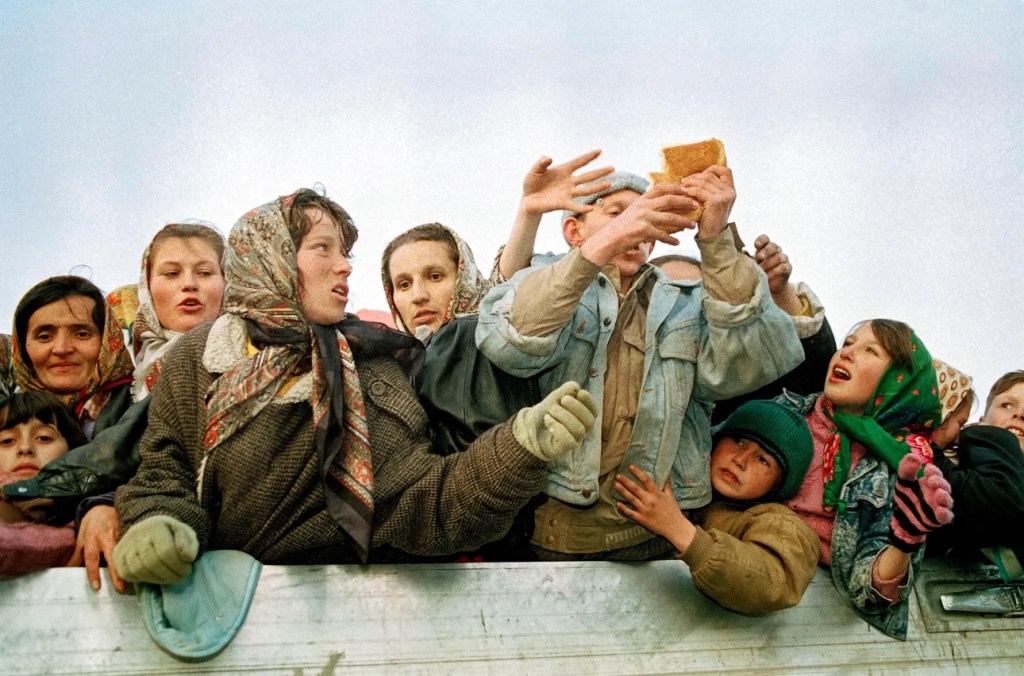
In July 1995, more than 8,000 Bosniak Muslim men and boys were killed in and around Srebrenica, in eastern Bosnia and Herzegovina. The town had been declared a United Nations “safe area.” Thousands more women, children and elderly people were forced from their homes. Thirty-one years later, it remains the worst massacre in Europe since the Holocaust, and for the families who survived, the pain has not eased.
What happened
Bosnian Serb forces took Srebrenica on 11 July 1995. Over the following days, men and boys were separated from their families, detained, and executed in fields, warehouses and roadsides. Many bodies were later moved to secondary graves to hide the crime. Families are still searching for remains today, and each year more victims are identified and buried at the memorial cemetery in Potočari.
Who was responsible, and what the courts found
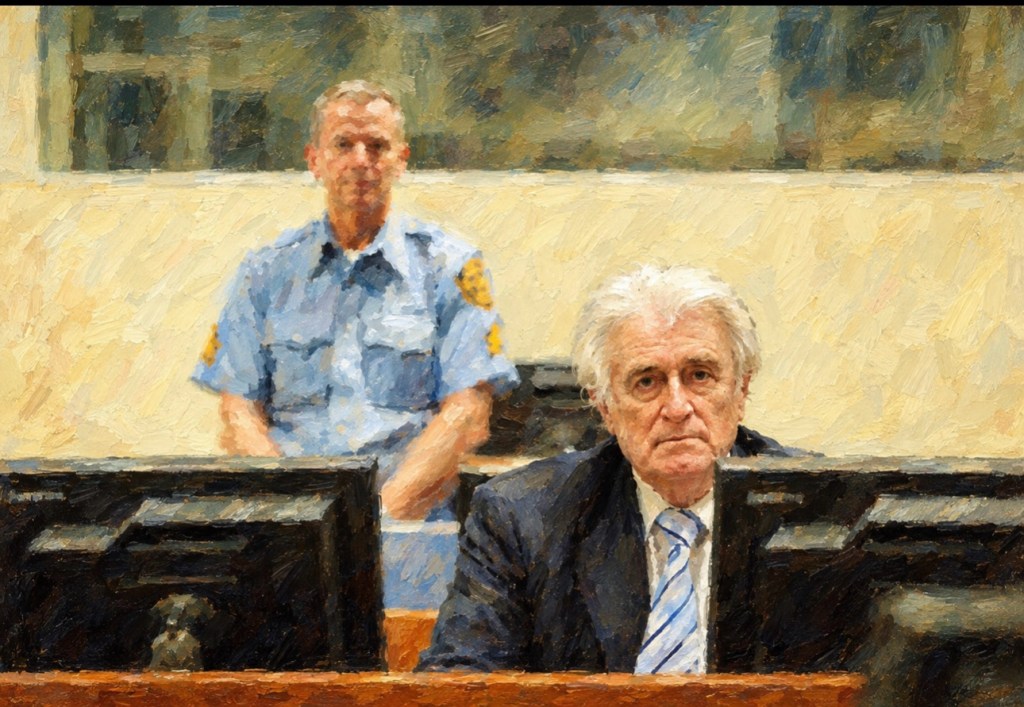
The International Court of Justice ruled in 2007 that the massacre at Srebrenica was genocide. The International Criminal Tribunal for the former Yugoslavia convicted senior figures for their roles. Ratko Mladić, commander of the Bosnian Serb army, and Radovan Karadžić, the wartime political leader of Republika Srpska, were each convicted of genocide and sentenced to life imprisonment. Radislav Krstić, a Bosnian Serb army general, was convicted of aiding and abetting genocide. Yet many perpetrators have never faced trial, and denial of the genocide continues in public life.
Why we remember
Remembrance is not only about the past. Genocide denial wounds survivors again, and impunity tells future perpetrators that the world will look away. We remember Srebrenica because the victims deserve to be named, because their families deserve justice, and because the warning signs of 1995 must never be ignored again.
We remember Srebrenica. We will not let the world forget.
Sources: International Court of Justice, Bosnia and Herzegovina v. Serbia and Montenegro, judgment of 26 February 2007; ICTY and IRMCT judgments in the cases of Krstic, Karadzic and Mladic.




Leave a Reply